
50 minutes·English
4.9(143)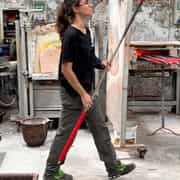
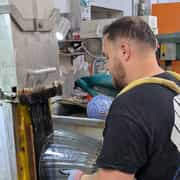
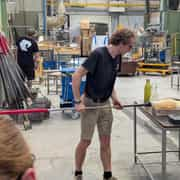
Murano: In Depth Glass Factory Guided Tour
Free cancellationSafety glasses for all participantsIn English

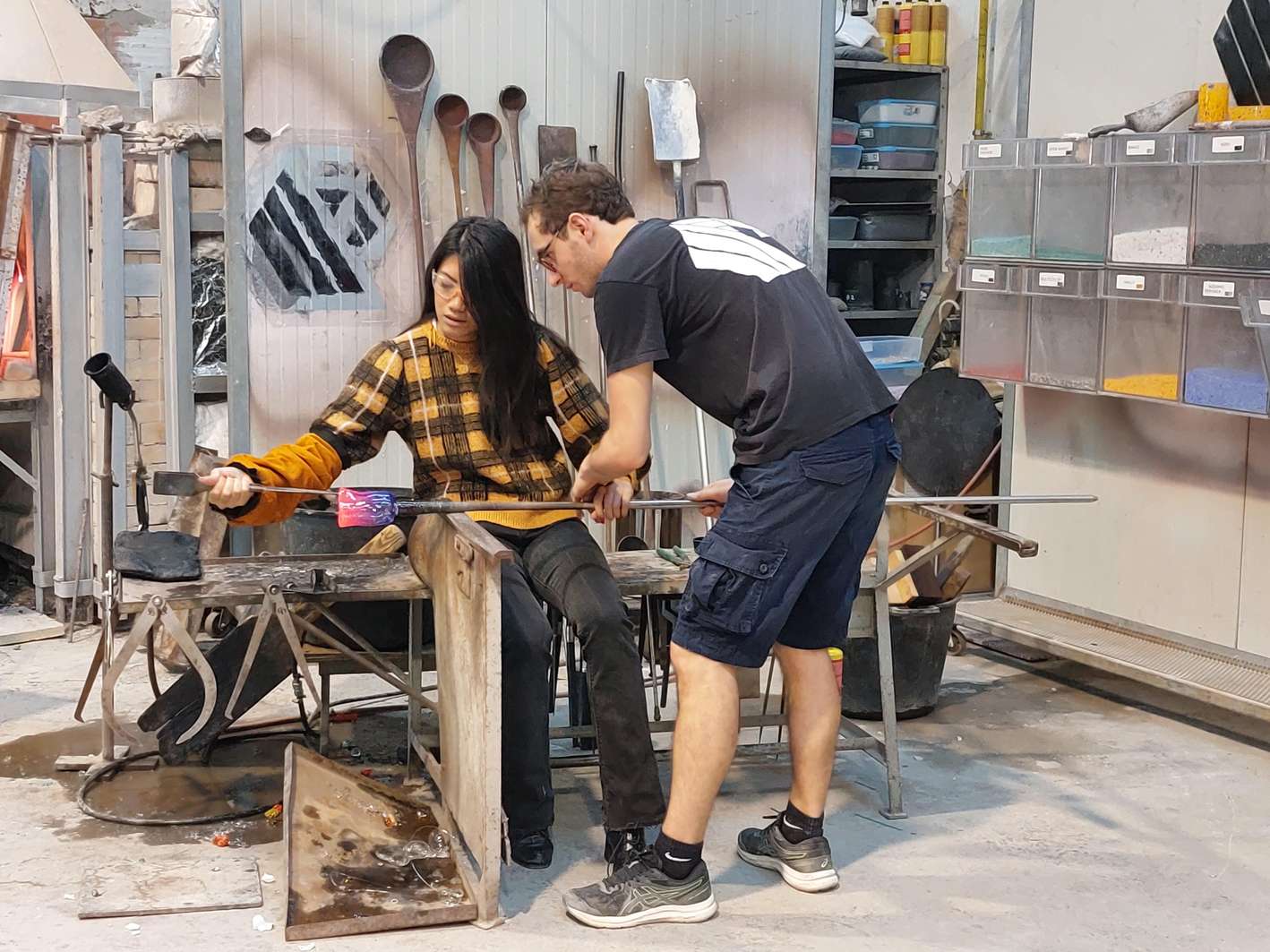
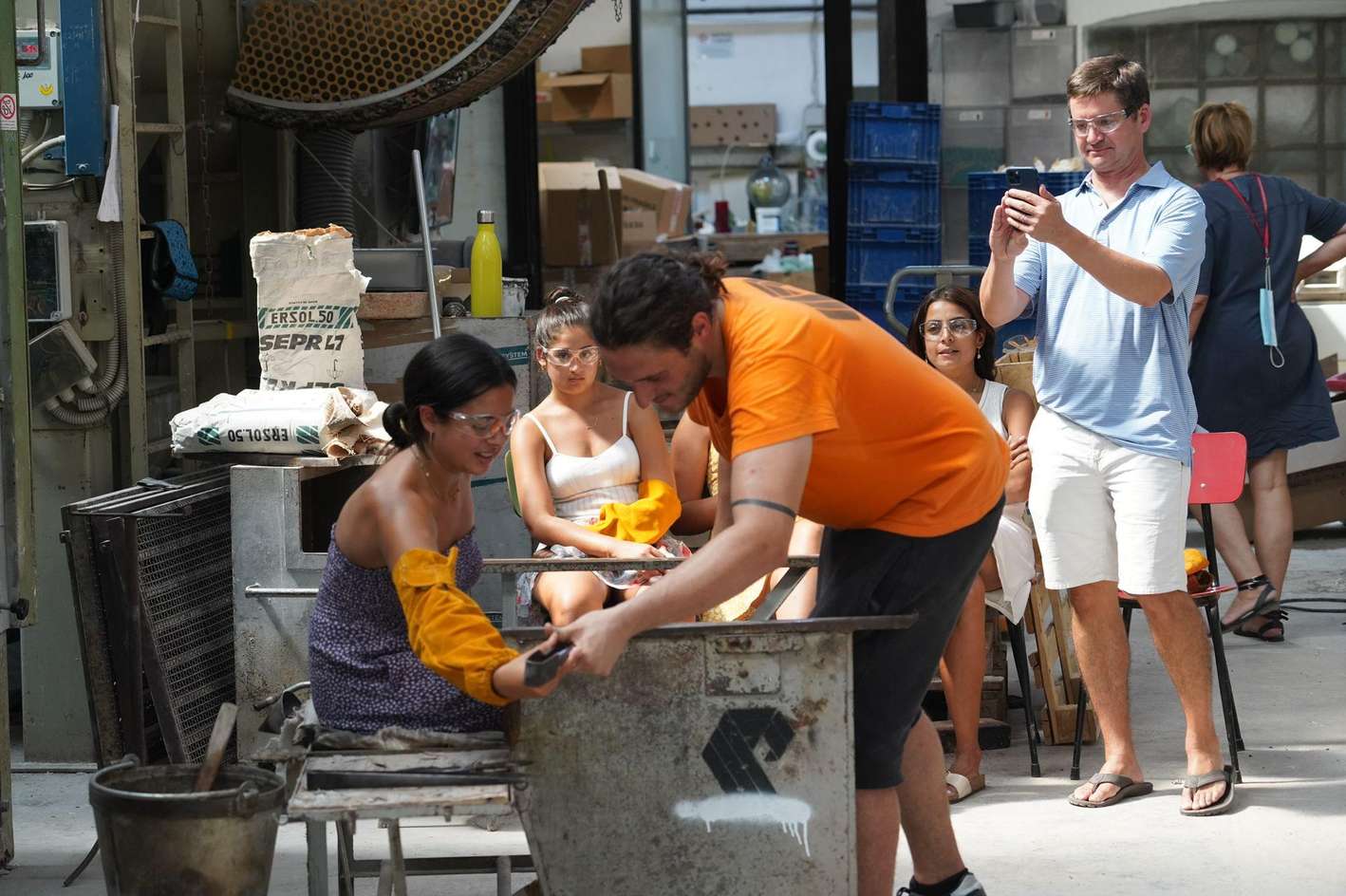
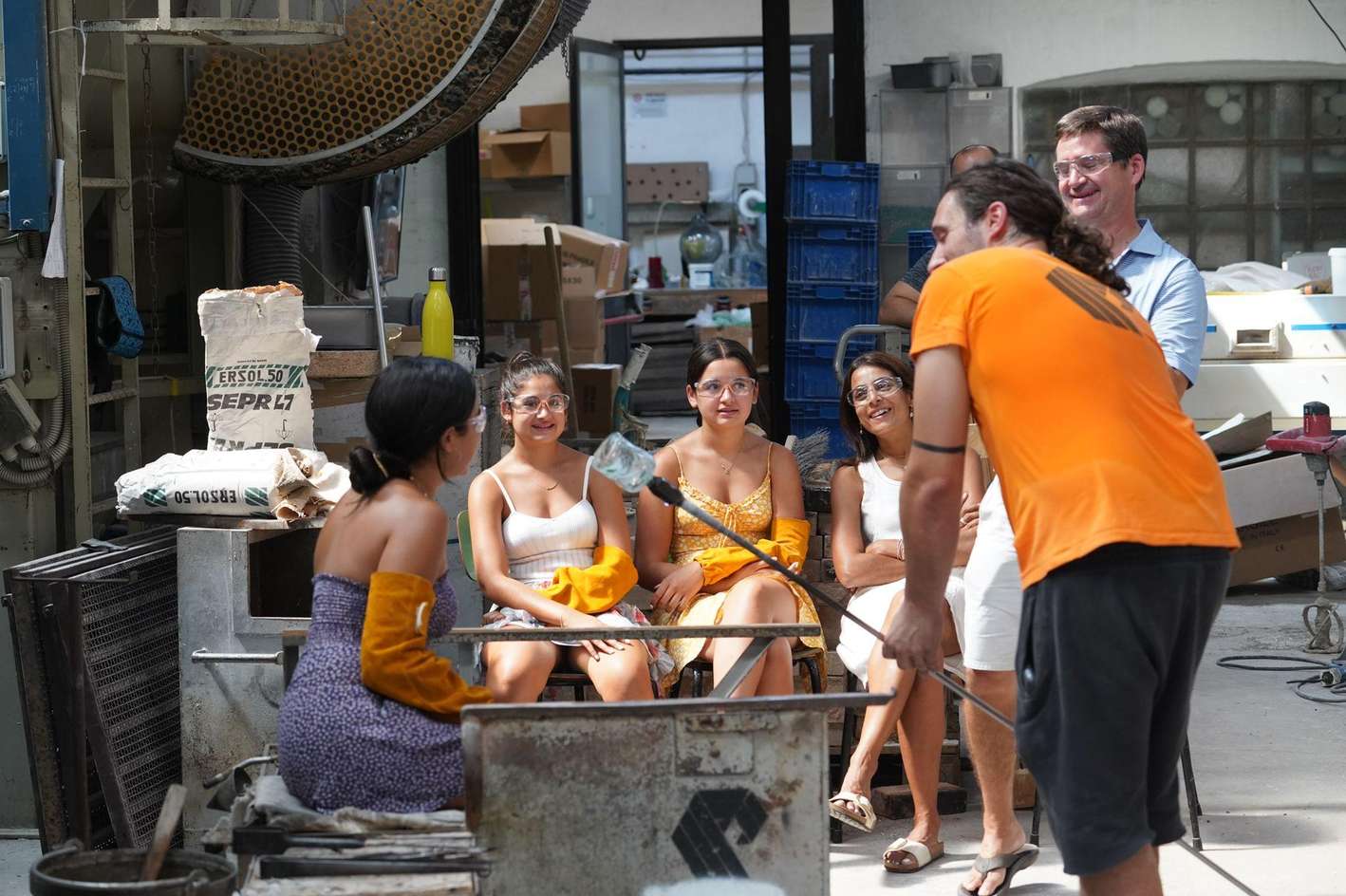
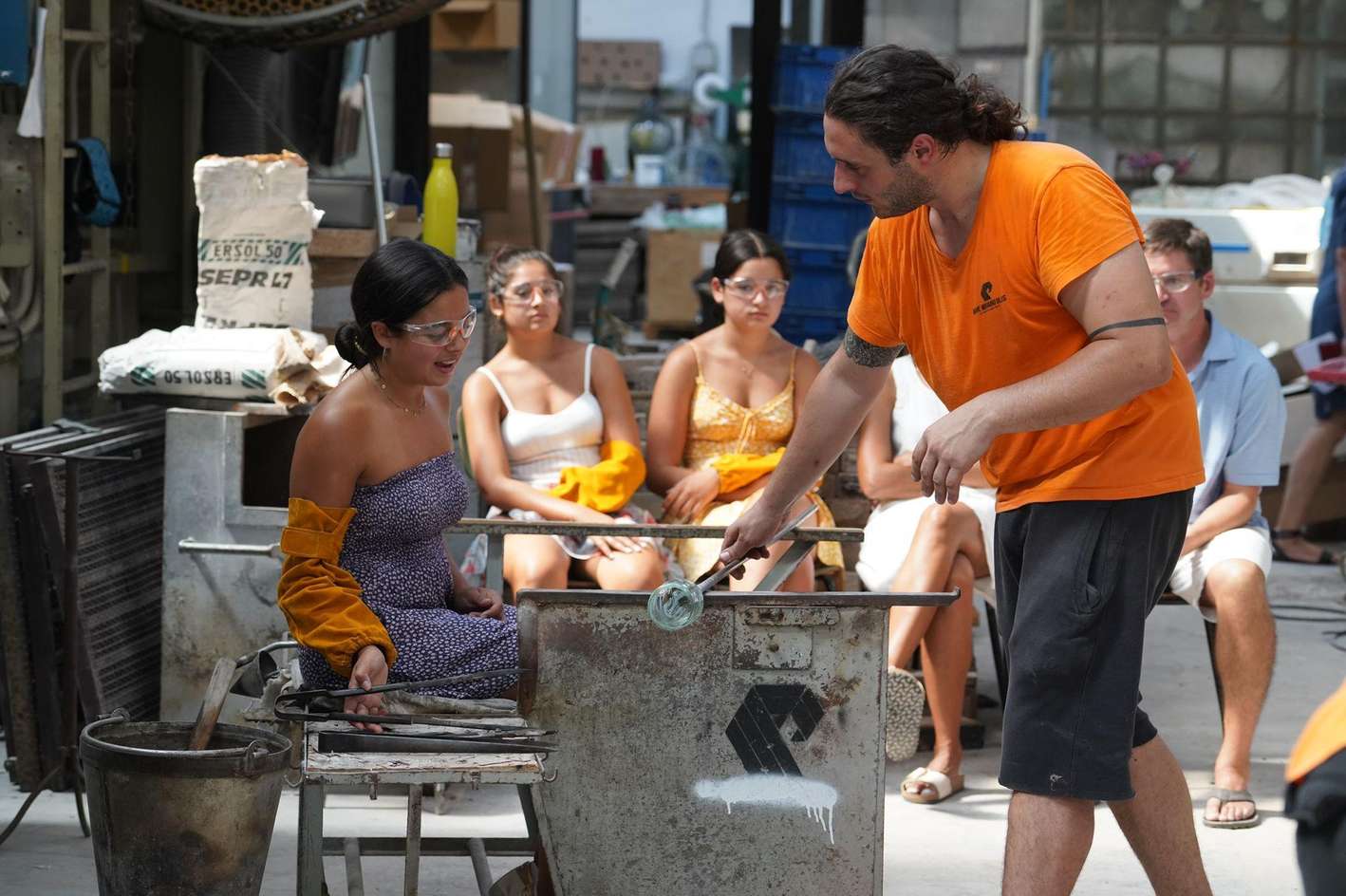
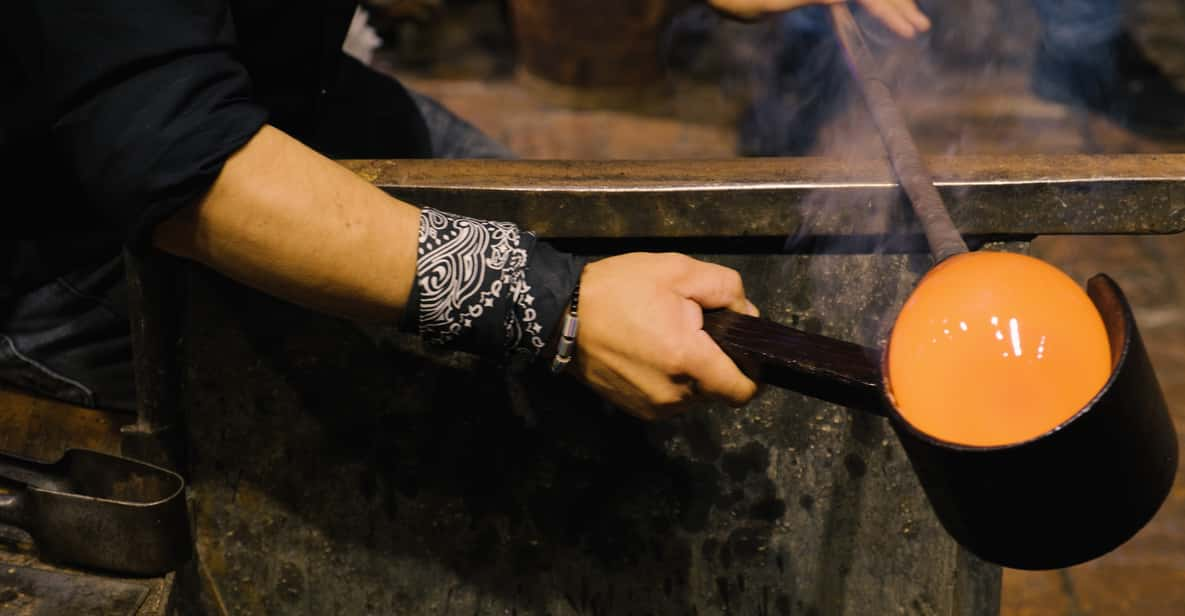
Plan your day around the furnaces, not the other way round. Book a timed glassblowing demonstration slot, watch a master shape molten glass at a set hour, and skip the wait outside a closed furnace. Shows run morning and afternoon, every half hour, so you never arrive between shows.
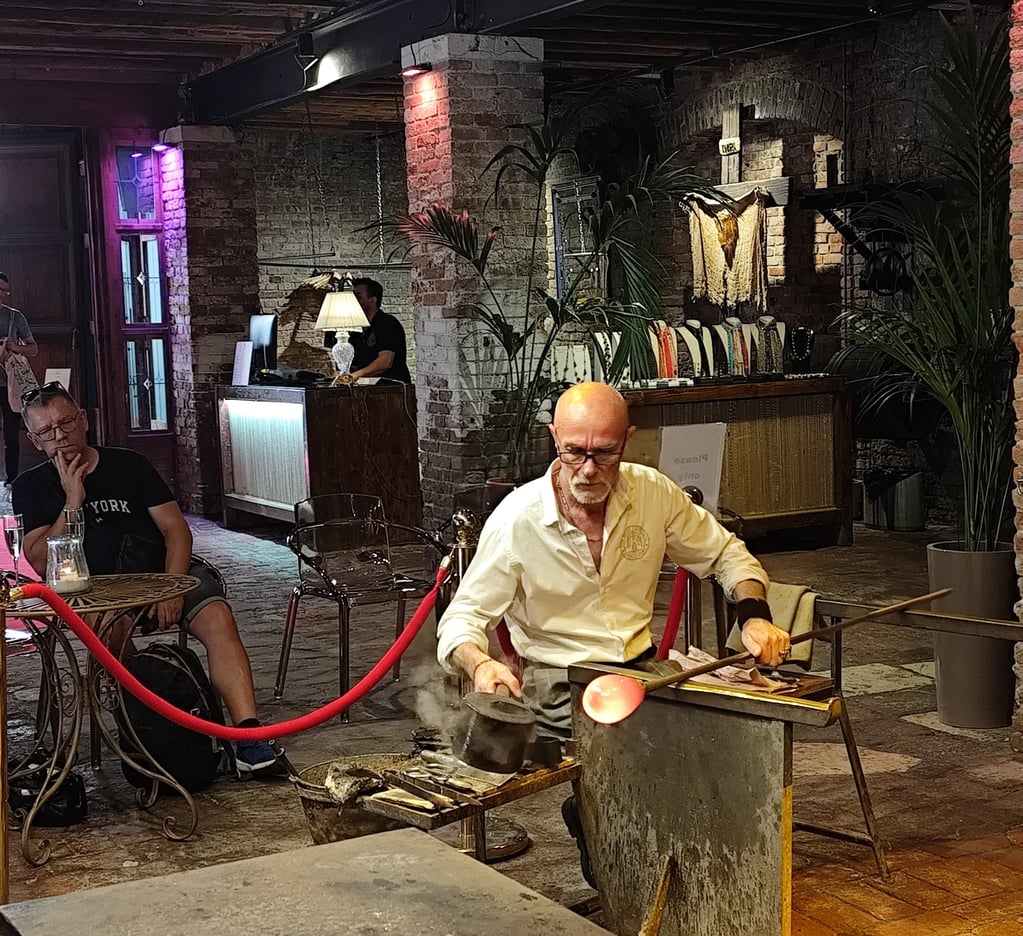
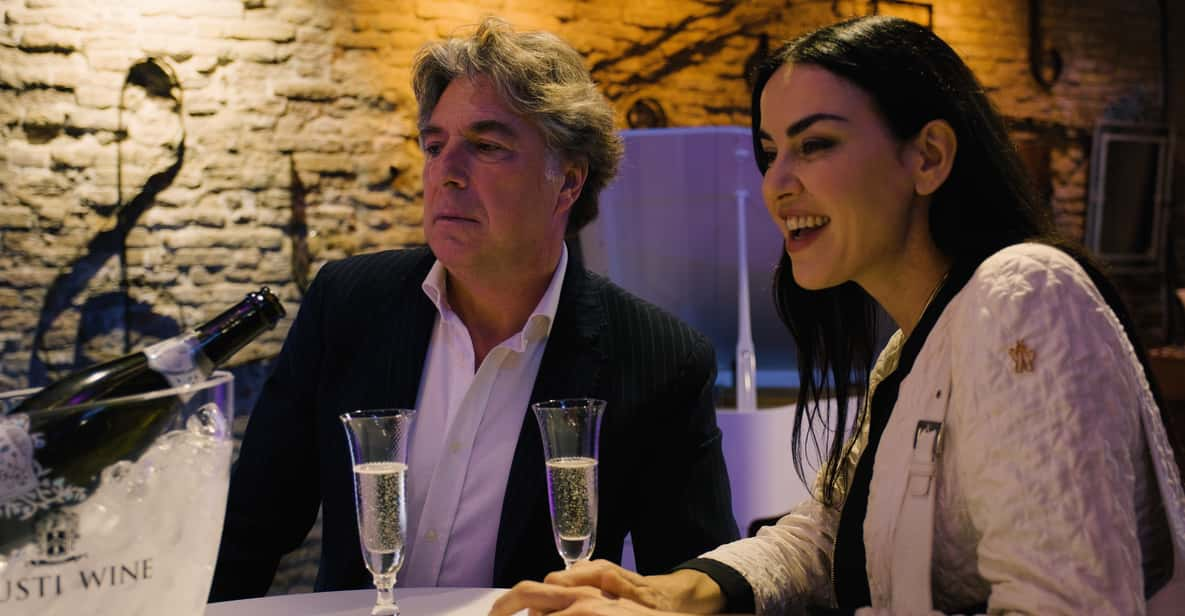
"Soft lighting, calm setting, only a few of us there. Lovely demonstration. The glass of Prosecco was a nice touch. A welcome break in our day."
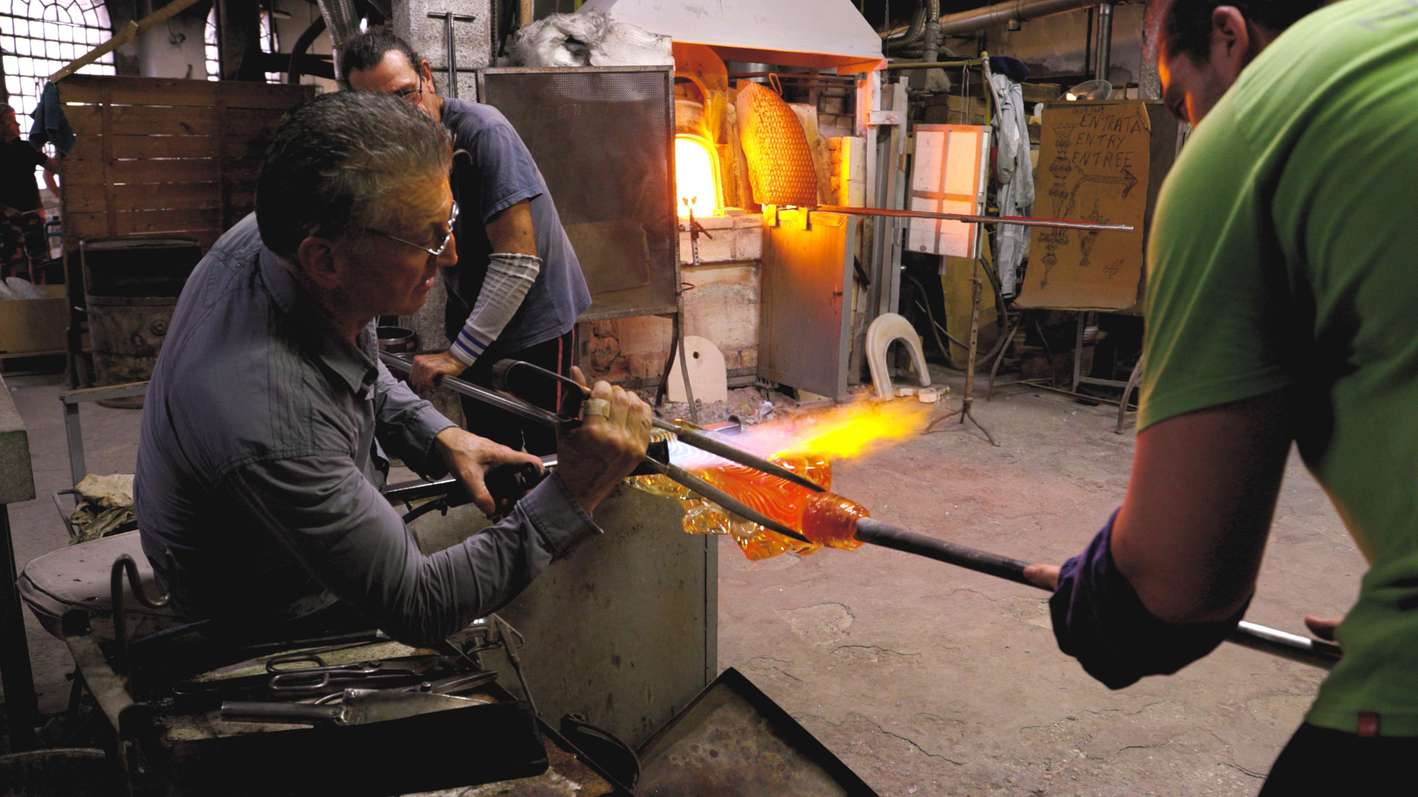
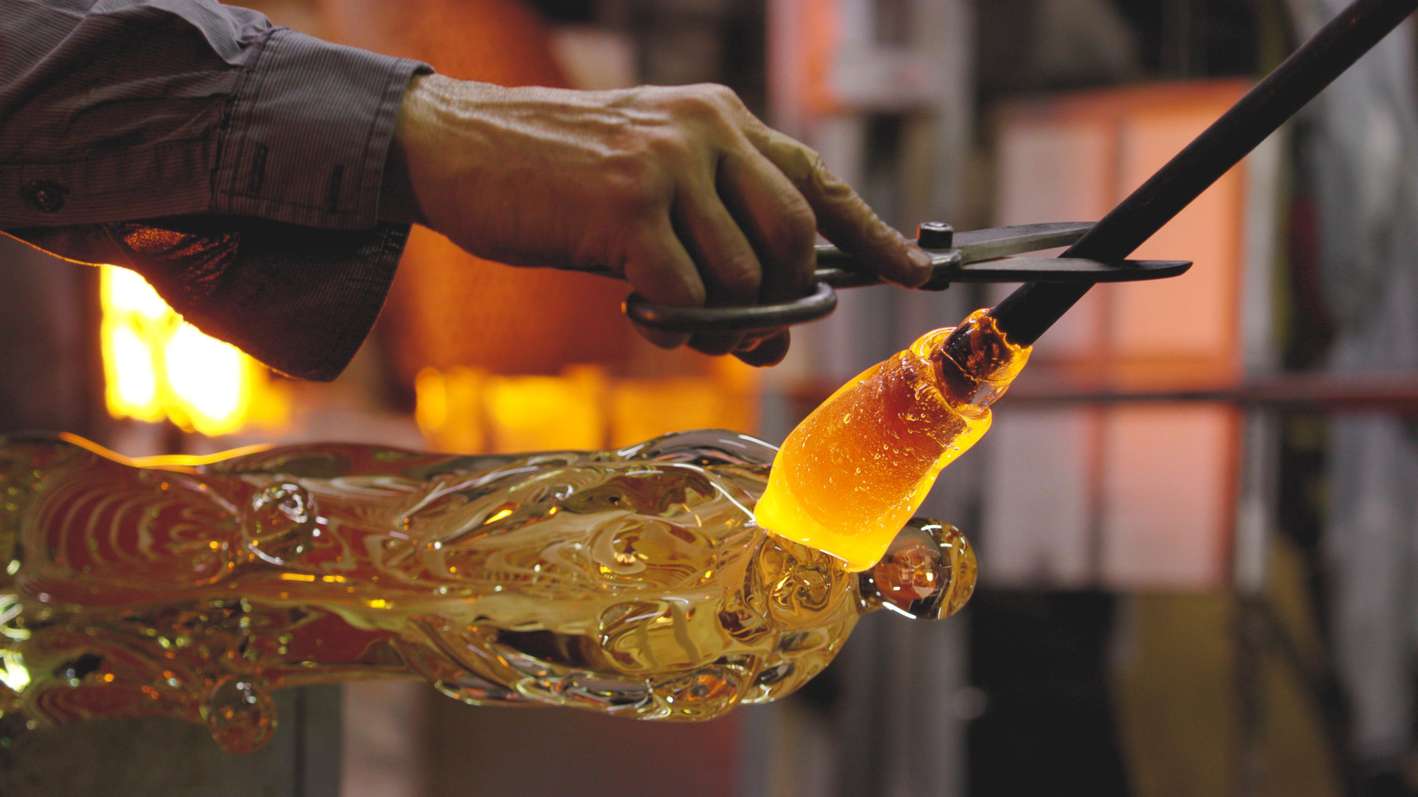
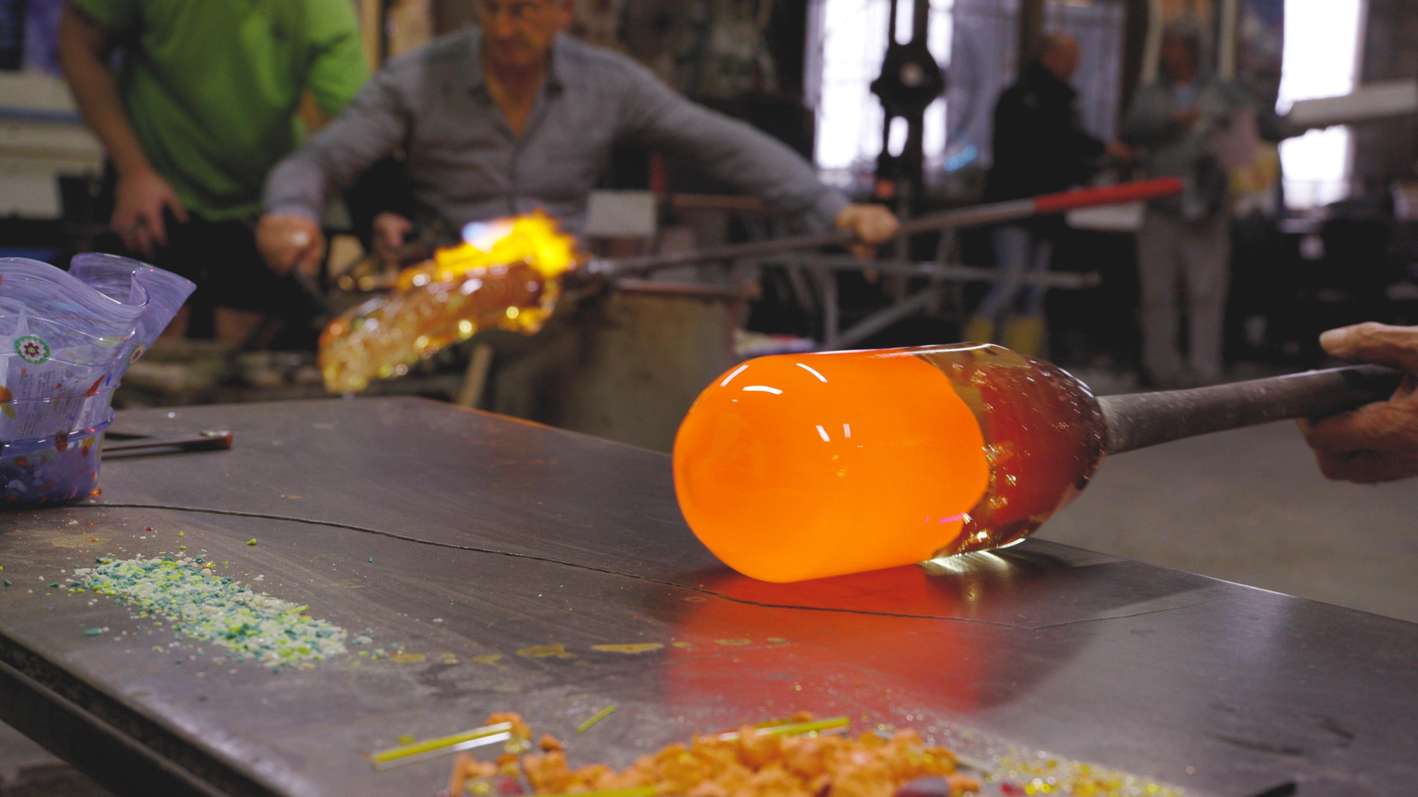
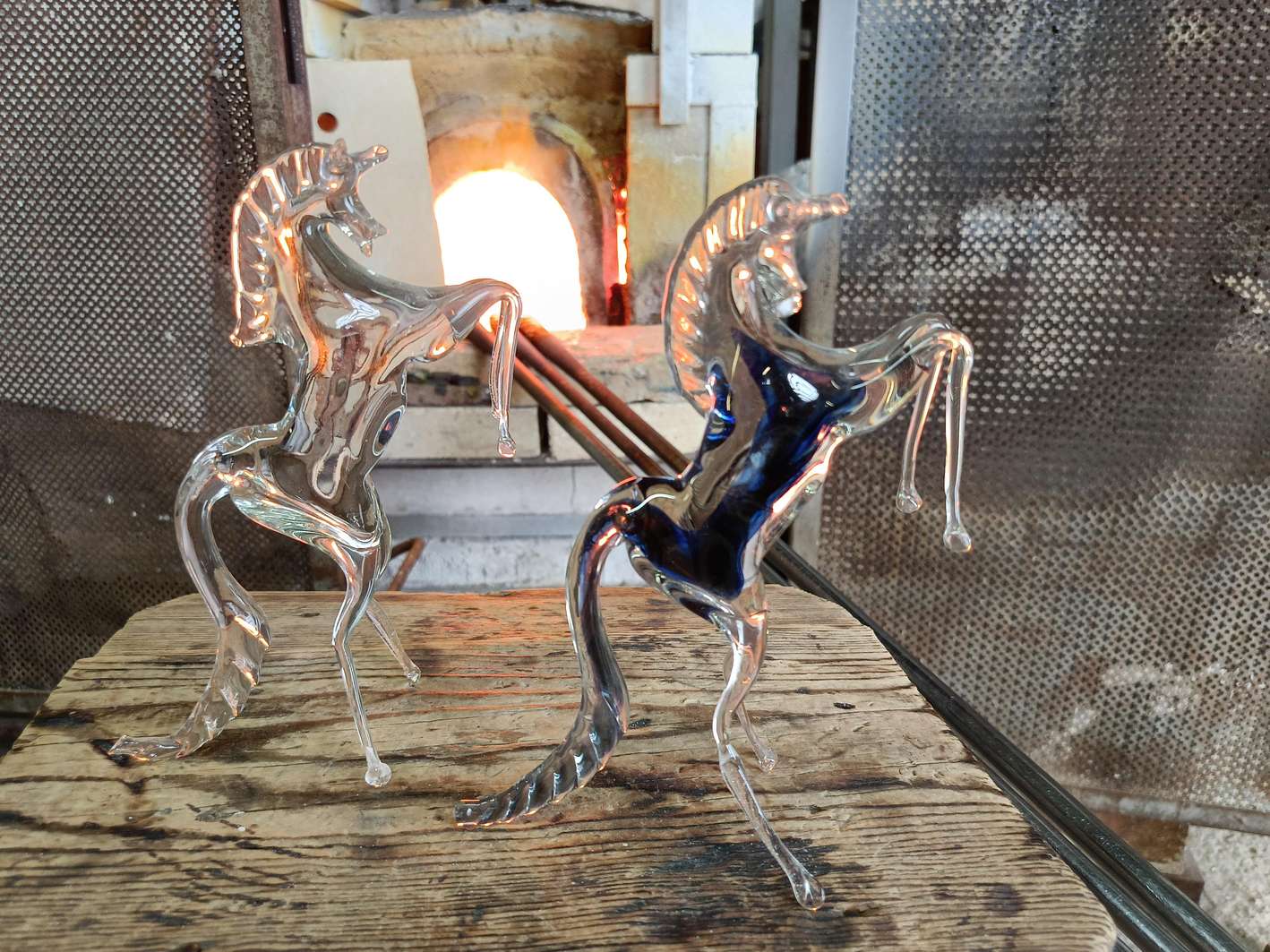
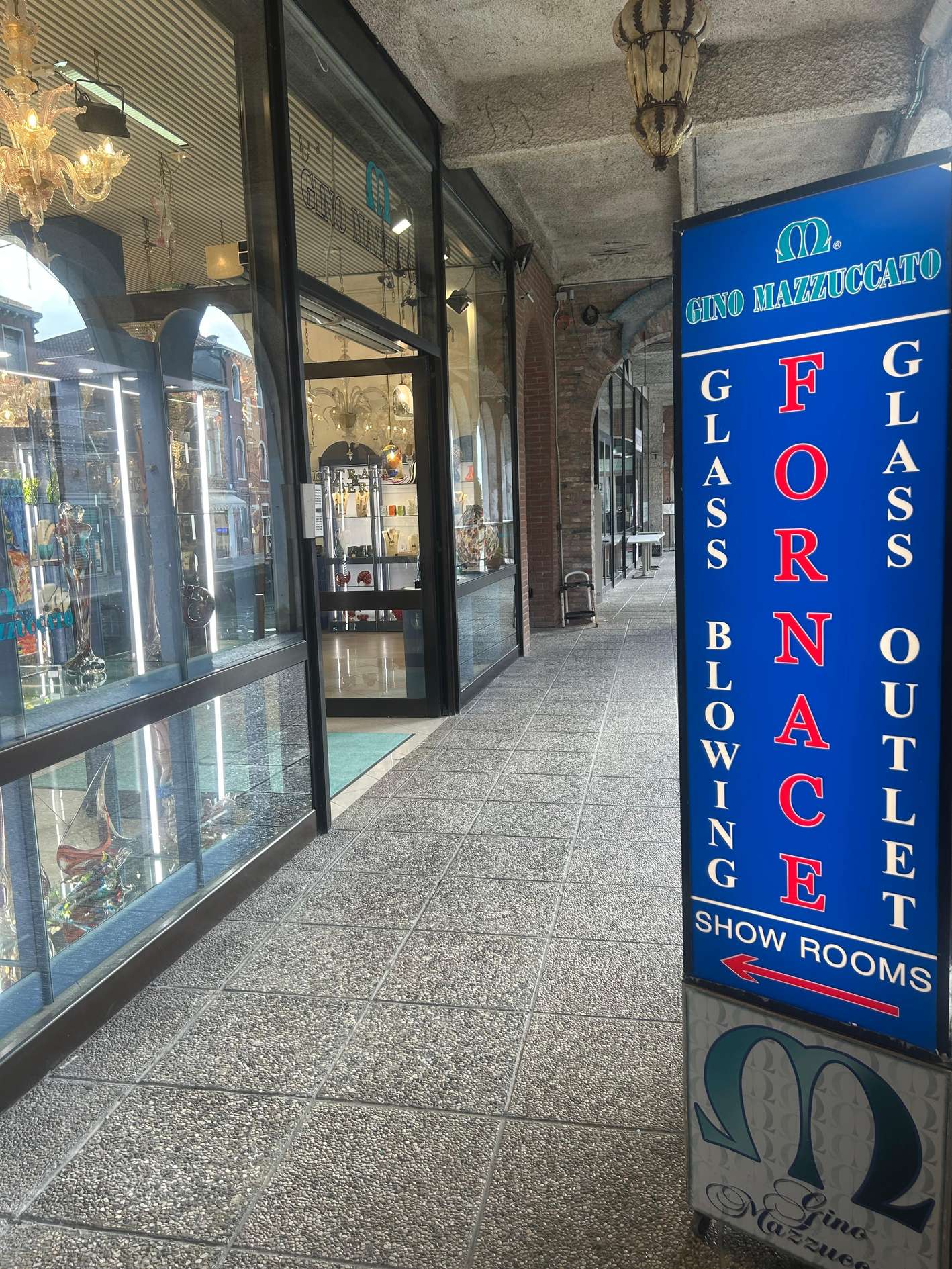


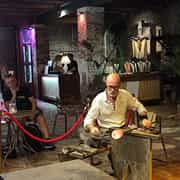
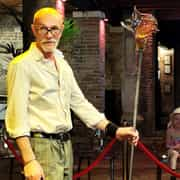
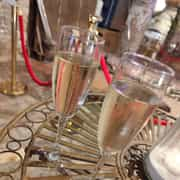


Murano's furnaces run on a schedule most first-timers miss: shows from 9:30, a lunch pause, a last show between 3:30 and 4:00. Know the rhythm and you never arrive at a dark furnace.
Live demonstrations run every 30 minutes from 9:30 am to 1 pm, pause for the lunch break, then resume at 2:00 until the final show, which starts between 3:30 and 4 pm.
Sundays shut full factory production, but dedicated demonstration furnaces and private studios stay open to stage live shows for visitors.
August closes the production kilns for maintenance, yet the visitor-facing demonstration kilns keep running shows all month and through the major holidays.
From San Zaccaria, direct line 7 takes 24 to 30 minutes to Murano Colonna, the pier that drops you at the furnace district; board 40 to 50 minutes before a morning slot.
Open footwear and synthetic clothing are banned at working furnaces; arrive in closed shoes and natural-fabric pants or you may be turned away at the door.
Book a demonstration at a visitor-facing kiln instead, since those stay open through August and major holidays, and time slots run every half hour during the day.
Nine in the morning, and the furnaces along Rio dei Vetrai open to visitors. From 9:30 am the shows run on the half hour, one after another through the morning, and the factories are at full energy.
Then the island stops. Between 1:00 and 2 pm the glassmakers sit down to lunch, and individual furnaces pause work for 30 to 60 minutes inside that wider window.
Furnaces run full production and demonstrations
Traditional furnaces pause work for lunch
Demonstrations resume until final departures
Furnaces shut down and demonstrations end
Afternoon sessions restart at 2:00 and run every half hour until the last show, which begins between 3:30 and 4:00. After that, the day is over.
The window you want: a morning slot, or the 3:30 slot if you are easing into the day. Show up at noon and you will watch shutters, not molten glass.

Saturday and Sunday are the days that worry people, and the answer is mixed. Full production shifts run Monday through Friday, so on weekends the commercial floors go quiet.
Sundays shut trade-only factories completely. This is not a dead day: select demonstration furnaces and private studios stay open on Sundays precisely to stage live shows for visitors.
So on a weekend you can still watch a glassblower at work, and you can still fill a workshop seat. The trade-off is that you will see staged demonstrations rather than the daily factory floor. Plan around the same schedule as a weekday: morning slots, the lunch pause, afternoon shows until 4:00 or 4:30.
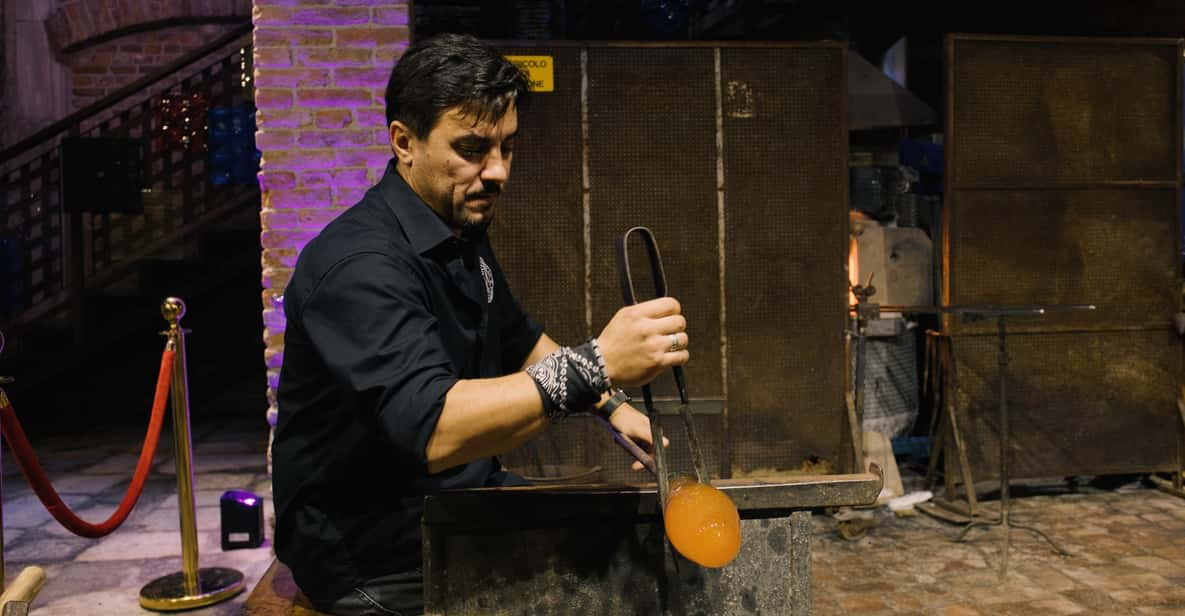
August is the month that makes people cancel. The production kilns close for annual maintenance, because the intense heat demands furnace relining.
But visitor-facing demonstration kilns stay open all month, and they keep running shows through the major holidays too. Spring is the busiest stretch, while August sits calmer with fewer crowds than April and May.
April is the peak tour month on Murano, bringing heavy crowds to glassmaking demonstrations in mild spring weather.
Tap a month to read it.
January: 5 out of 5 for kiln demonstrations. Production kilns and public demonstrations operate normally.
Tap a month to read it.
So stop worrying about the date and start picking a time slot. Pick a morning before noon, when furnace activity is at full energy and the workshop is cooler than the afternoon lagoon heat.
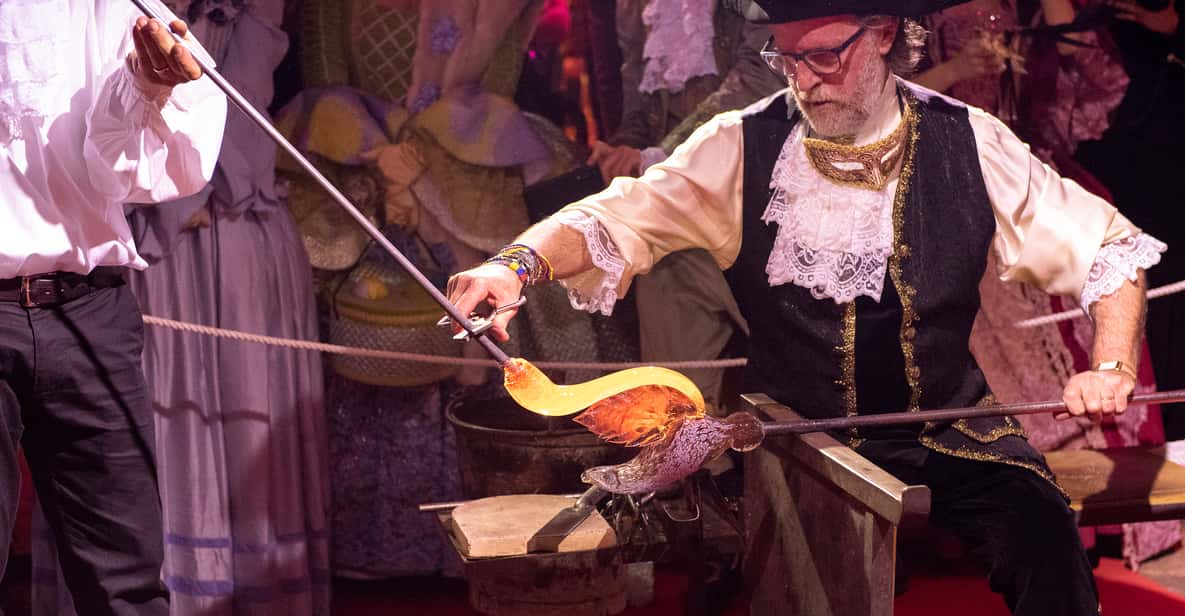
Here is the trap that catches people who arrive after lunch. The shops and factory showrooms stay open continuously until 4:30 or 5:00, and the Museo del Vetro runs 10:00 to 5:00 in winter and 10:00 to 6:00 in summer. The hot glass, though, is only worked in the morning and early afternoon.
Open doors do not mean molten glass. If you cannot catch a live furnace, the museum is the nearest alternative worth booking. The Murano: Glass Museum Entry Ticket gets you the island's most extensive Murano glass collection, ordered chronologically, and it runs on a completely different clock from the furnaces.
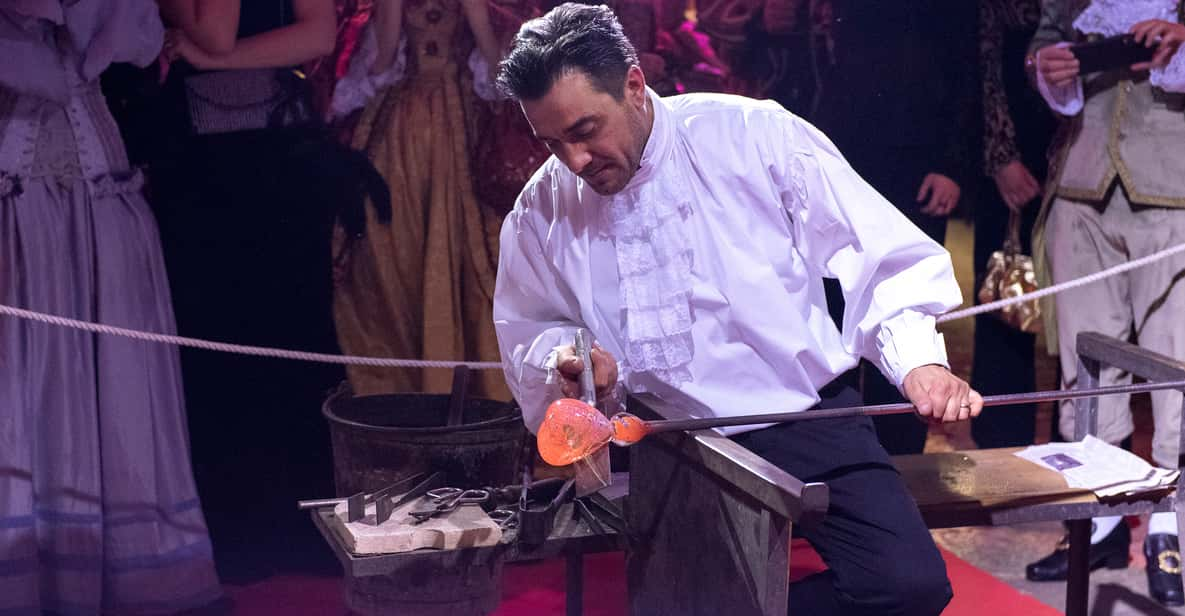
Watch a master pick up a molten gather and you will lose track of time, but the clock is honest. A standard factory demonstration lasts about 20 minutes, while an in-depth private master demonstration or guided workshop session runs closer to 45 to 50 minutes.
That difference decides your day. Twenty minutes is a slot you can drop into a morning; the longer session is a commitment. Many shows send you home with a small glass keepsake, and some include a drink during the show.
The Murano: Glass Blowing Demonstration with Optional Drinks runs daily, morning and afternoon, for 25 minutes, with music and a drink in the options.
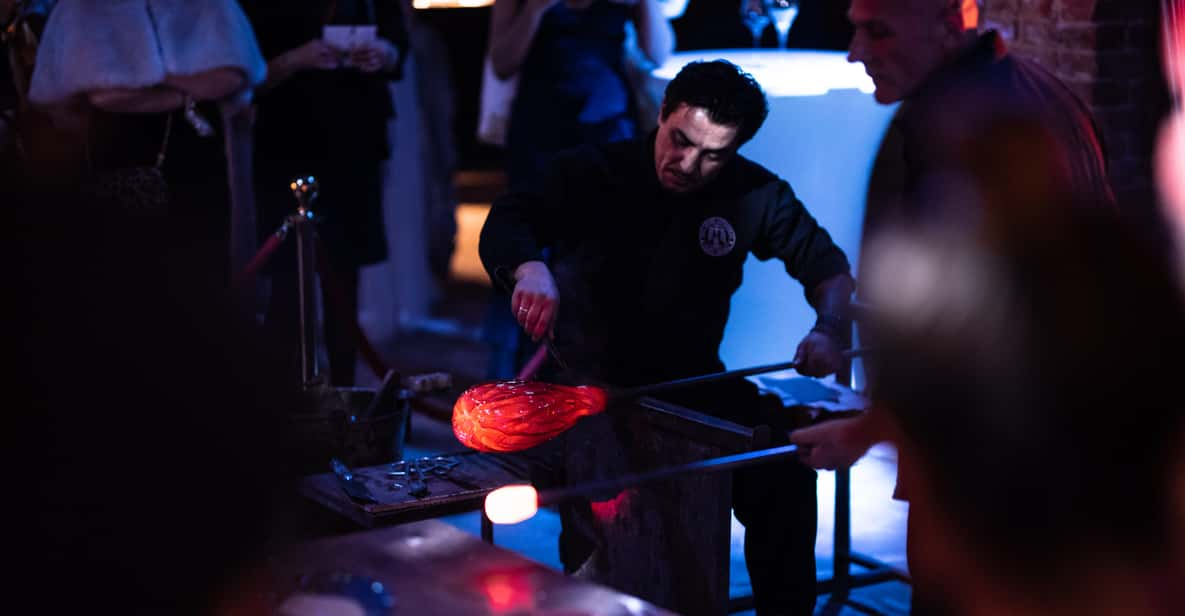
Boat timing decides whether you catch a show or a locked door. From Fondamente Nove, lines 4.1 and 4.2 reach Murano Colonna in about 9 to 10 minutes, while lines 12 and 13 take roughly 9 minutes to Murano Faro.
From San Zaccaria, direct seasonal line 7 takes about 24 to 30 minutes; circular lines run past 40 minutes.
Plan on boarding 20 to 30 minutes before a morning slot at Fondamente Nove, and 40 to 50 minutes ahead from San Zaccaria.
Get off at Murano Colonna, which drops you straight at the entrance of Rio dei Vetrai, where the furnaces cluster. A whole Murano day from Venice runs 3 to 4 hours, leaving 1.5 to 2.5 hours for the canals and shops.
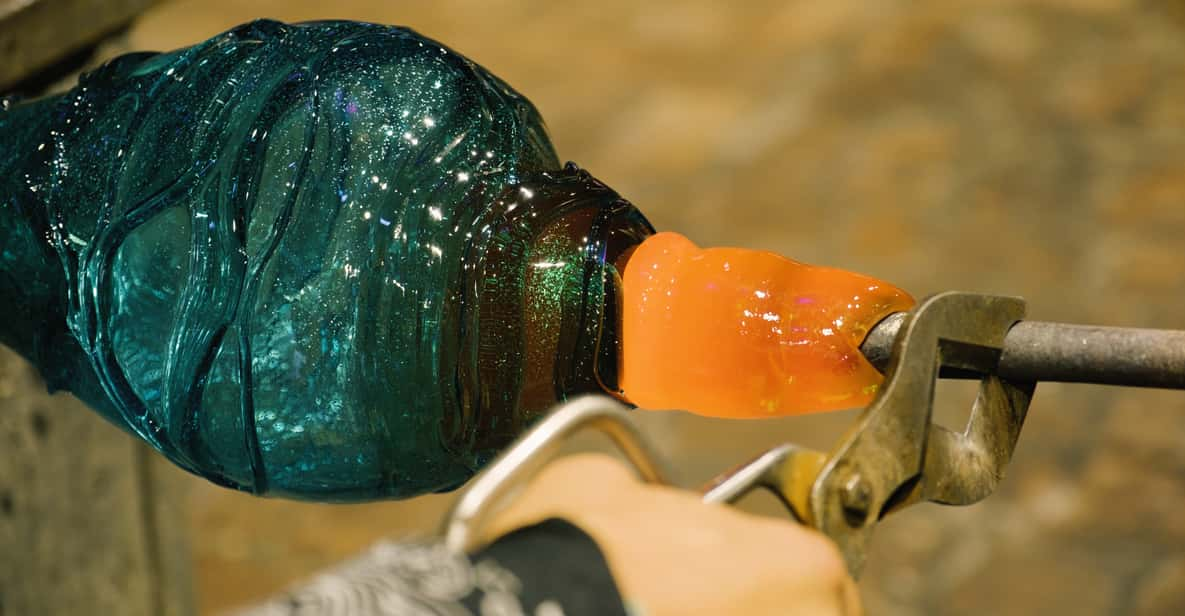
Walk-ins can work, but they are a gamble. Some workshops and a few standalone demonstrations invite visitors inside without a reservation, and factories run shows continuously through the day.
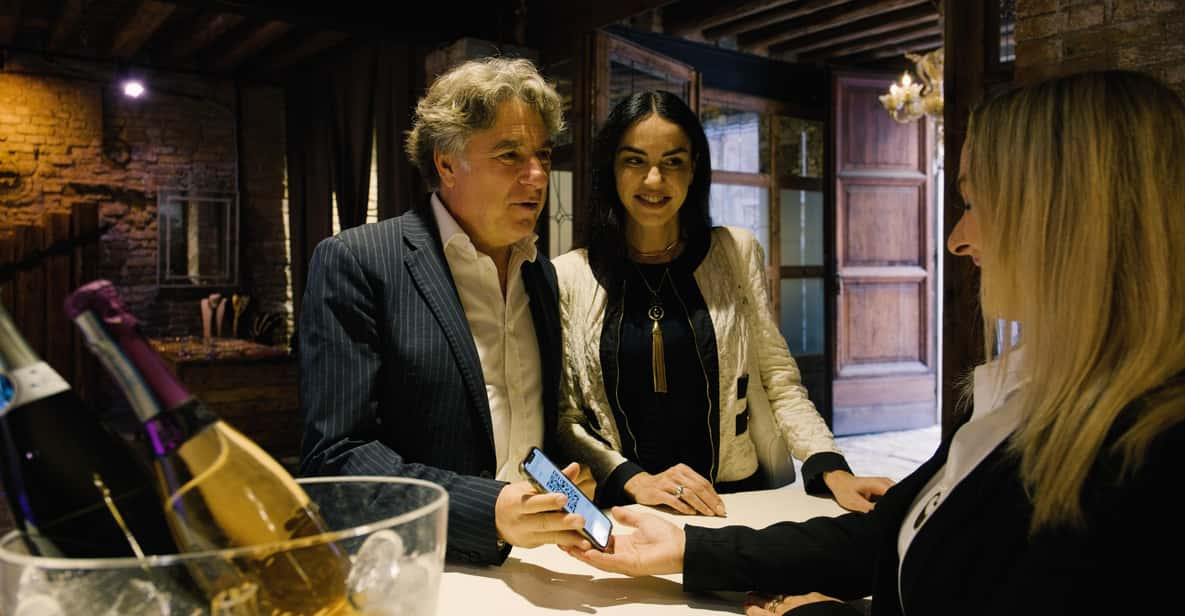
Arrive blind and you may wait 45 minutes or find a locked door. A pre-booked timed ticket trades a little spontaneity for a guaranteed seat at a known hour.
| Walk-in demonstration | Pre-booked timed ticket | |
|---|---|---|
| Certainty of entry | None, you may wait or find a locked door | A seat at a set hour, guaranteed |
| Flexibility | Arrive whenever you like | Pinned to a start time |
| Wait risk | Up to 45 minutes or worse | None |
| Cost | Sometimes free | A modest ticket, often with showroom credit |
The Murano: Glass Factory Experience with Tour and Demonstration gives you a 20-minute guided tour of the factory, a demonstration, and a credit on any purchase in the showroom.
Here is the offer that sounds like Venetian hospitality: a dock porter or a concierge hands you a free private water taxi to a factory. The ride is a sales funnel.
The boat is arranged to deliver you into a high-priced showroom, and the touts who set it up can try to control your return transport.
It is a sales funnel into a high-priced showroom
You never do; showroom purchases can be declined without friction
They can run up to three times more than reputable shops in central Venice
You can decline any purchase without friction. Booking your own visit avoids the trap entirely.
Stand at a furnace and you are near molten glass at 1000 to 1400 degrees Celsius. That is why closed-toe shoes and long pants of natural, non-synthetic fabric are required, and why sandals and flip-flops are strictly banned.
Workshops provide protective arm sleeves and safety glasses on site, so you do not need to bring your own.
Open footwear and synthetic clothing Furnaces ban sandals and flip-flops; wear closed shoes and natural-fabric pants or you may be turned away
Photography needs permission first, and flash is discouraged or banned because it distracts the glassmakers. Ask before you film, and stay behind the safety lines. The glass you see shaped in the show goes into an annealing oven to cool slowly, so it cannot be taken home the same day.
Rain is not a problem. Lagoon boats run in ordinary weather, and the tours go ahead. The trouble is fog and acqua alta. When visibility drops below 150 meters, the Harbour Office restricts lagoon navigation and departures can be suspended.
High tide starts altering routes around 95 cm, when the direct Line 3 halts; at 135 cm, Murano's Vivarini bridge becomes impassable, and at 140 cm all lagoon transport suspends.
| If this happens | What happens then |
|---|---|
| Boats run in ordinary rain | Tours go ahead; dress for a wet crossing |
| Fog cuts visibility below 150 meters | Lagoon navigation is restricted and departures can be suspended |
| The tide rises to +95 cm | Direct Line 3 halts and routes change |
| The tide reaches +140 cm | All lagoon transport suspends |
| Tours cancel up to 24 hours before | Cancel for a full refund and rebook |
Plan a morning slot and a buffer so a delayed boat does not cost you the last show.
Once the show is over, the island is still there. The nearby furnaces, shops and the lighthouse are all within a few minutes' walk of the furnace district, and the museum's collection is close by.
If you want Burano's colored houses, hop line 12 from Murano Faro for the half-hour crossing. A full Murano-plus-Burano day means budgeting 6 to 8 hours, so start early: take a morning class or visit the museums as they open, then continue to Burano by midday.
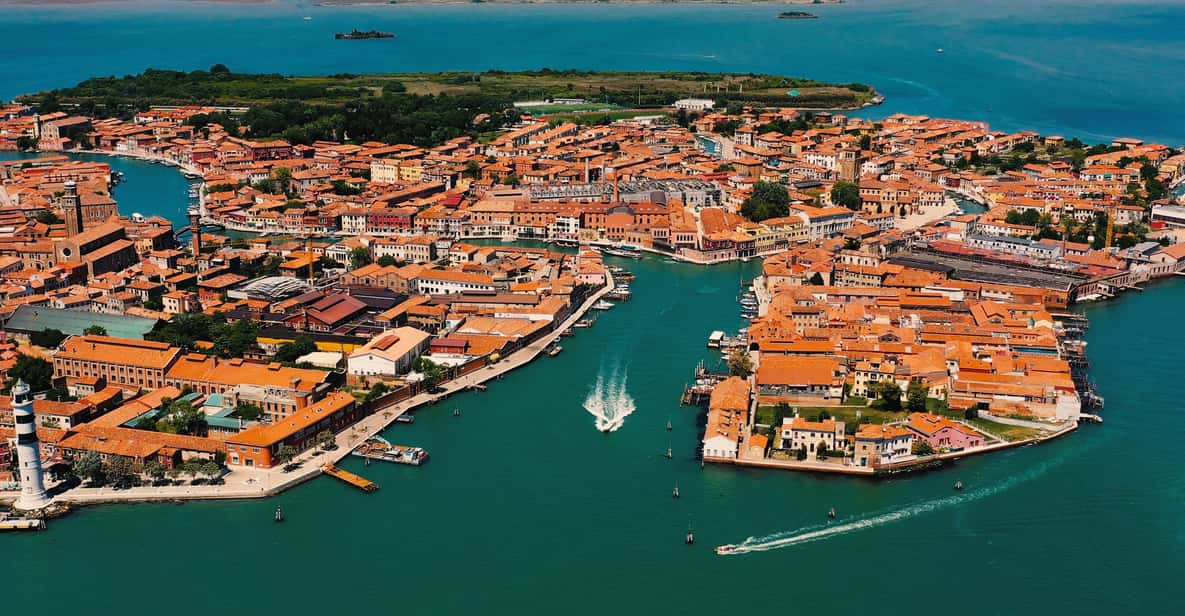
The furnaces work on a schedule you can plan around: shows from 9:30, a lunch pause, a last show between 3:30 and 4:00. Book a timed slot, aim for the morning, and you will not arrive at a dark furnace.
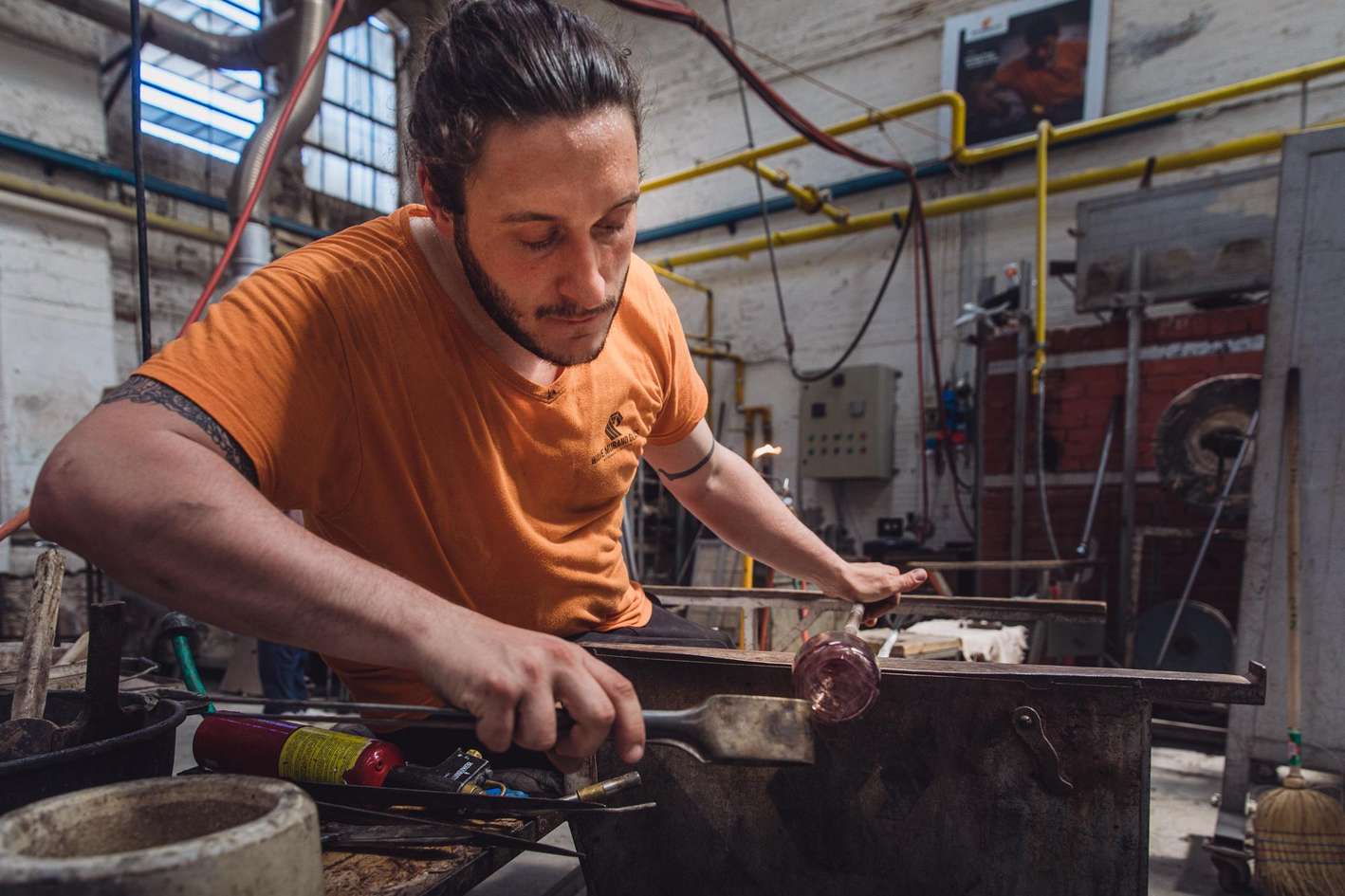
Ready to try it yourself? The classes page shows lessons where you blow glass at the furnace with a master.

Traveling with children? The kids workshops page lists age limits and family-friendly sessions that fit your day.
Want to see the show itself? The demonstrations page maps where live glassblowing runs and how to time it.

Sorting out the crossing? The boat tours page compares cruises from Venice that include a factory stop.

Prefer a fixed time of your own? The private tours page shows visits with a guaranteed slot at a quiet hour.
Curious what you are looking at? The about page explains what makes Murano glass authentic and worth its price.
The schedule questions travelers ask before they step on a boat to Murano, answered plainly.
 Venice2026
Furnaces open to visitors between 9 am and 9:30 am, and many factories run live demonstration slots every 30 minutes from 9:30 am until 1 pm. The morning is when the furnaces are at their most active.
Most workshops pause between 1 pm and 2 pm, with individual furnaces going quiet for 30 to 60 minutes somewhere in the wider noon-to-2 pm window. Plan your island walk or lunch for that stretch.
Yes. After the lunch pause, demonstration slots resume every half hour from 2 pm until 4 pm or 4:30 pm, with the last show usually starting between 3:30 pm and 4 pm.
Most factories operate between 9 am and 5 pm. Showrooms and shops stay open continuously until 4:30 pm or 5 pm, even when the furnaces themselves pause for lunch.
Furnaces on Murano are not completely closed on Sundays, but full commercial production shuts down for the weekend. Select demonstration furnaces and private studios stay open on Sundays to stage live glassblowing shows and workshops for visitors.
They are. Saturday and Sunday furnace operations are generally limited to scheduled glassblowing demonstrations and workshops, while trade-only factories close on Sundays. Full production shifts run Monday through Friday.
No. Public demonstrations run all year, including August and major holidays. Commercial production kilns close for annual maintenance in August because of the heat and furnace relining, but the visitor-facing demonstration kilns stay lit.
Several Murano workshops invite visitors inside and run brief walk-in demonstrations through the day, so you can watch a furnace on your own. Arriving without knowing a timetable can mean a 45-minute wait or a closed door, so a booked slot with a fixed time is the surer way to see a show.
A standard factory demonstration lasts about 20 minutes. An in-depth master demonstration or guided workshop session runs 45 to 50 minutes.
From Fondamente Nove, board 20 to 30 minutes before the demonstration time, since lines 4.1, 4.2, and 12 take 9 to 12 minutes to reach Murano.
From San Zaccaria, board at least 40 to 50 minutes in advance, because the direct seasonal line 7 takes 24 to 30 minutes and the circular lines take just over 40.
Yes, and the museum's hours are longer than the furnaces'. The Museo del Vetro runs daily from 10 am to 5 pm in winter and from 10 am to 6 pm in summer, so it fills the midday and late-afternoon gaps.
Morning before noon gives you full furnace activity and cooler workshop conditions, since masters produce their pieces before the midday lagoon heat builds. Between roughly noon and 2:30 pm, workshops quiet down or close for lunch breaks.
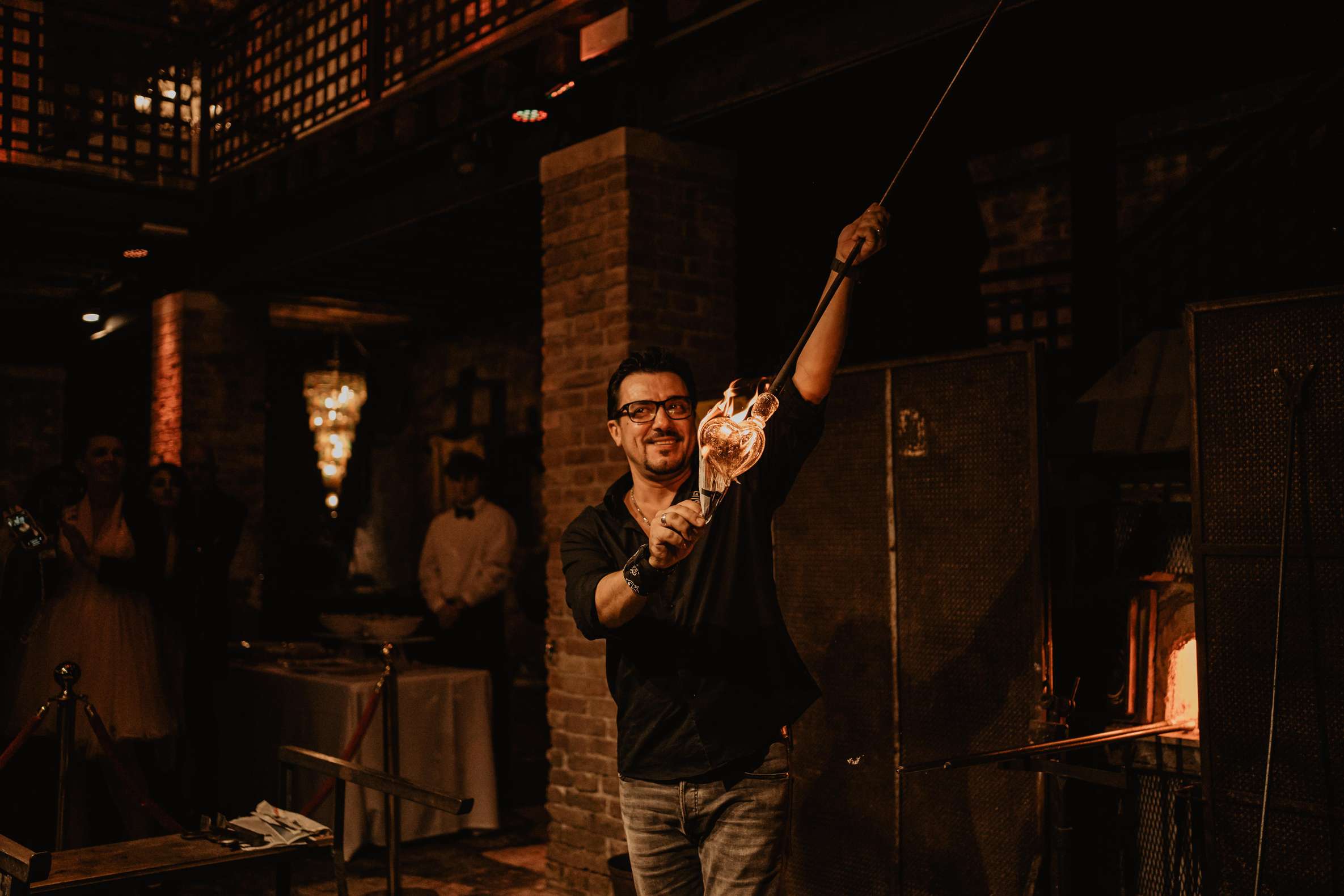
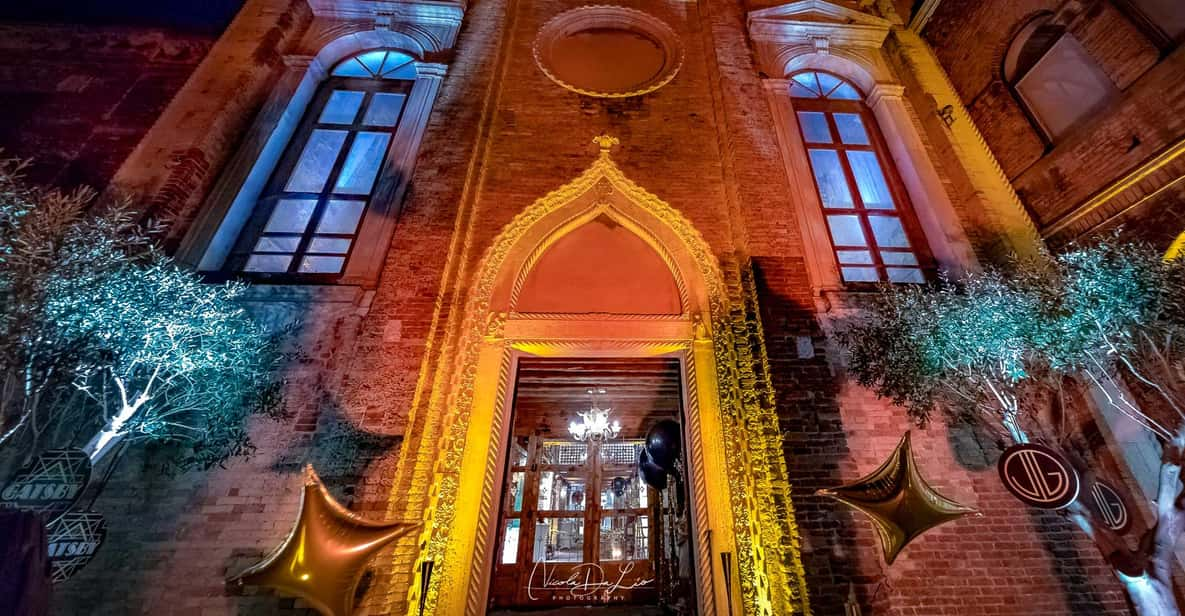
A 25-minute demonstration at a 12th-century venue, running daily morning and afternoon, with free cancellation up to 24 hours ahead.
